How Much Is My Home Worth in Queens, NY? What Sellers Need to Know in 2026
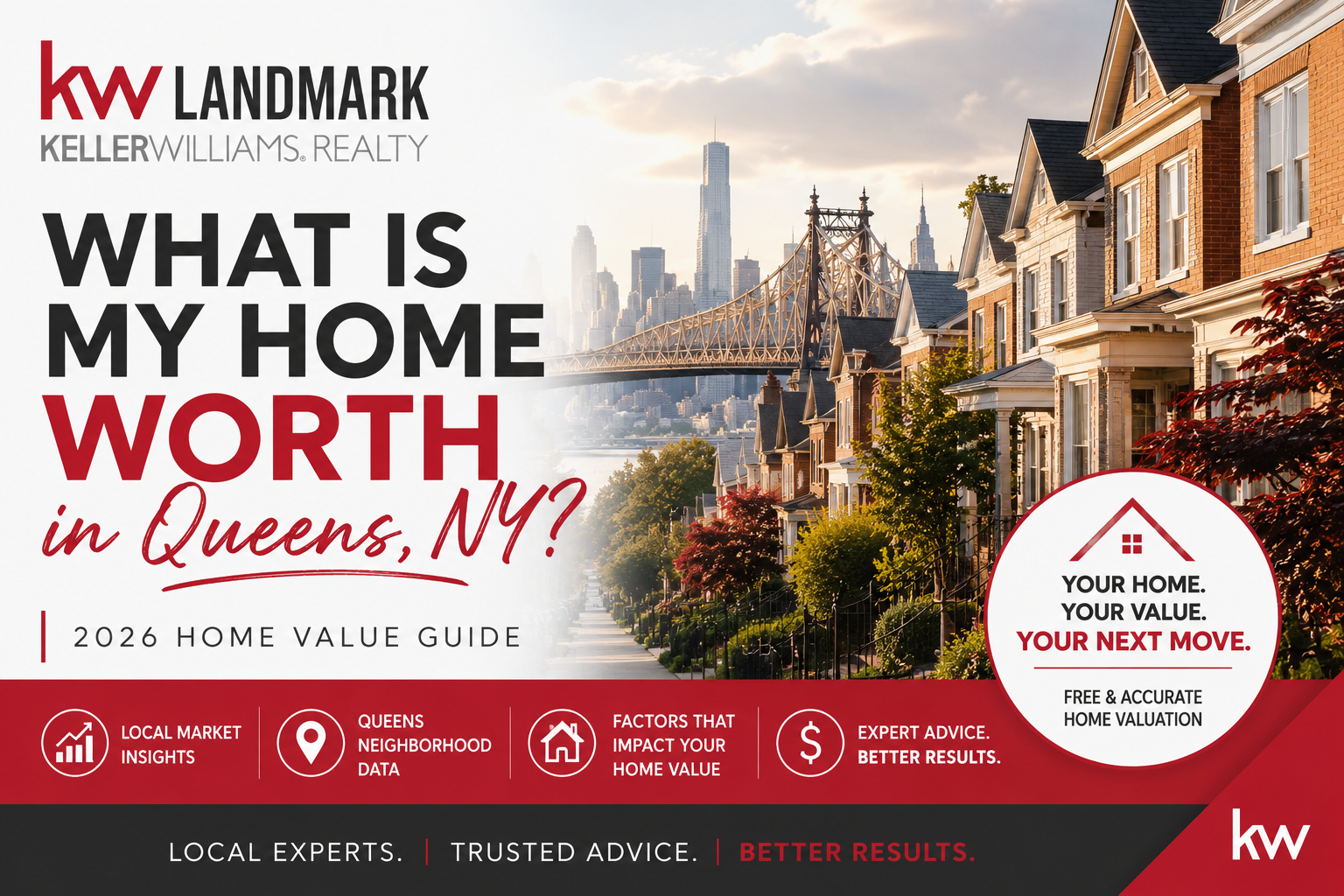
How Much Is My Home Worth in Queens, NY?

The value of your home in Queens, New York, depends on more than its size, number of bedrooms, or an online estimate. A realistic home value is based on recent comparable sales, current competition, property condition, legal use, location, buyer demand, and the specific features that make your home more or less desirable than nearby properties.

Two homes located only a few blocks apart can sell for very different prices.

That is why the best way to determine what your Queens home may be worth is to have it reviewed by a local real estate professional who understands your neighborhood, your property type, and the buyers most likely to compete for it.

At Keller Williams Realty Landmark, we can connect you with an agent who can provide a personalized home value and equity review based on your property and your goals.


Want to know what your Queens home may be worth in today's market? Contact us for a free home value estimate — no commitment required.


Why Home Values Vary So Much Across Queens

Queens is not one single real estate market.

It is a collection of neighborhoods, housing styles, school districts, transportation options, business corridors, and local buyer pools. The factors that influence value in Bayside may be different from the factors that influence value in Astoria, Forest Hills, Jamaica, Flushing, Howard Beach, or Queens Village.

A detached single-family home with a driveway may attract a very different buyer than a co-op apartment near a subway station. A legal two-family property may appeal to buyers who want rental income, while a renovated condominium may appeal to buyers who want lower maintenance and modern finishes.

Even within the same neighborhood, value can change based on:

  • The specific block
  • Proximity to transportation
  • Parking availability
  • Lot size
  • Property taxes and monthly carrying costs
  • Legal property use
  • Renovation level
  • Layout and bedroom count
  • Outdoor space
  • Current homes for sale nearby
  • Recent comparable sales
  • Buyer demand at the time of sale


Because Queens is so diverse, a general citywide or borough-wide estimate is rarely enough to price a home accurately.


What Is the Difference Between Market Value, Assessed Value, and an Online Estimate?

Homeowners often see several different numbers connected to their property. These numbers may all be useful, but they do not necessarily represent what a buyer would pay for the home.

Market Value

Market value is the price a qualified buyer may be willing to pay for your home under current market conditions.

A real estate agent estimates market value by studying recent comparable sales, active listings, pending sales, buyer demand, property condition, location, and other factors that can influence the final sale price.

Market value can change as the market changes.

Assessed Value

Your assessed value is used in connection with property taxation. It is not automatically the same as your home's likely sale price.

A homeowner should not assume that the value shown on a tax-related document is the amount buyers will pay in the open market.


Online Home Value Estimates (Including Zillow)

Online valuation tools like Zillow can be a useful starting point, but a Zillow estimate in Queens, NY — or any automated estimate — is rarely accurate enough to use as a pricing strategy.

An automated estimate may not know:

  • Whether your kitchen or bathrooms were renovated
  • Whether the basement is finished or legally usable
  • Whether the home has a private driveway or garage
  • Whether the roof, boiler, electrical system, or windows were updated
  • Whether the property has water damage or deferred maintenance
  • Whether the layout is functional
  • Whether the home has an extension or altered floor plan
  • Whether the property has open permits or violations
  • Whether buyers are currently competing for homes like yours
  • Whether another nearby sale was truly comparable

An online estimate is a computer-generated opinion based on limited public data. It is not a pricing strategy.


What Factors Have the Biggest Impact on Queens Property Value?

1. Recent Comparable Sales

Comparable sales, often called "comps," are recently sold homes that are similar to your property.

A strong comparable sale may have a similar:

  • Neighborhood or micro-location
  • Property type
  • Lot size
  • Building size
  • Bedroom and bathroom count
  • Legal use
  • Condition
  • Parking setup
  • Age and architectural style

The more similar the property, the more useful it may be when estimating value.

However, the highest sale in the neighborhood is not always the best comparable. A fully renovated detached home with a garage may not be a fair comparison for an attached home that needs significant work.


2. Current Competition

Recent sales show what buyers were willing to pay in the past. Active listings show what buyers can choose from now.

If there are very few similar homes available, your property may receive more attention. If several competing homes are listed at the same time, buyers may become more selective.

A seller needs to understand both the sold properties and the homes currently competing for the same buyers.

3. Property Condition

Condition can affect value, but renovations do not always increase value dollar for dollar.

A beautifully renovated home may sell for more because buyers can move in without taking on a major project. However, an owner can also overspend on improvements that buyers do not value enough to justify the cost.

Before making expensive repairs or renovations, speak with a real estate professional who can help you decide which improvements may make the biggest difference.

4. Legal Use and Property Records

In Queens, legal use can have a major effect on buyer demand, financing, and value.

For example, buyers may want to know whether a property is legally recognized as a one-family or two-family home, whether an extension was properly documented, or whether the current layout matches available property records.

Questions involving legal use, permits, certificates of occupancy, violations, or property records should be reviewed early in the selling process. Discovering a problem after accepting an offer can create delays, renegotiations, or even cause a sale to fall apart.


5. Location and Micro-Location

A home's neighborhood matters, but the specific location within that neighborhood can matter just as much.

Buyers may pay more or less based on:

  • Distance to subway, bus, or Long Island Rail Road service
  • Proximity to schools, parks, shopping, and restaurants
  • Traffic patterns and noise
  • Whether the home is on a main road or quieter residential block
  • Proximity to highways or airports
  • Flood-zone considerations
  • Views, sunlight, and surrounding properties

6. Parking and Outdoor Space

Private parking is highly desirable in many parts of Queens.

A driveway, garage, backyard, terrace, balcony, or usable outdoor space can help a property stand out, especially when similar homes do not offer those features.

7. Property Type

Queens includes many different property types, including:

  • Detached single-family homes
  • Semi-detached homes
  • Attached homes
  • Two-family and multi-family properties
  • Condominiums
  • Co-operative apartments
  • Townhouses
  • Mixed-use properties

Each property type attracts a different buyer pool and requires a different valuation approach.


8. Buyer Demand and Market Conditions

The value of a home is also affected by how many qualified buyers are actively searching, what they can afford, and how much competition exists.

Interest rates, available inventory, lending guidelines, economic conditions, and seasonal activity can influence demand. However, the strongest market for one property type may not be the strongest market for another.

That is why homeowners should avoid making decisions based only on broad national headlines about the real estate market.


How Do Real Estate Agents Determine a Home's Value?

A local real estate agent will typically prepare a comparative market analysis, commonly called a CMA.

A CMA is a detailed review of your property and the surrounding market. It may include:

  1. Recently sold comparable homes
  2. Properties currently under contract
  3. Active listings competing for buyers
  4. Listings that expired or failed to sell
  5. Adjustments for condition, size, location, parking, legal use, and other features
  6. A recommended pricing range
  7. A strategy for positioning the home when it goes on the market

A strong CMA should not simply give you the highest possible number.

It should explain:

  • What buyers are likely to compare your home against
  • What could help your home sell for more
  • What could reduce buyer interest
  • How pricing may affect showings and offers
  • What you may need to do before listing
  • How much you may reasonably expect to net after selling costs

The goal is not to choose the most flattering number. The goal is to make a well-informed decision.

Not sure which factors affect your home most? Contact Keller Williams Realty Landmark and we'll walk you through it together.


Can I Increase My Home's Value Before Selling?

In many cases, yes — but the right improvements depend on the home.

Some sellers assume they need a complete renovation before listing. Others do nothing and hope buyers will overlook preventable problems. Both approaches can cost money.

Before selling, consider whether the property would benefit from:

  • Decluttering and removing excess furniture
  • Deep cleaning
  • Painting in neutral colors
  • Improving lighting
  • Repairing visible damage
  • Addressing odors
  • Improving curb appeal
  • Cleaning up landscaping
  • Organizing storage areas
  • Correcting obvious maintenance issues
  • Professionally staging key rooms
  • Improving photography and presentation

The best improvements are often the ones that help buyers feel confident, understand the space, and imagine themselves living in the home.

Before spending money, request a pre-sale walkthrough with a local agent. An agent can help you identify which changes may be worth considering and which may not provide a meaningful return.


Should I Sell My Queens Home As-Is?

Selling as-is may be the right choice for some homeowners, especially when the property needs repairs, the seller does not want to manage renovations, or speed and convenience are more important than maximizing the sale price.

However, selling as-is does not mean the home has no value, and it does not mean you should accept the first offer you receive.

An as-is property can still be marketed strategically to the right buyers.

A knowledgeable agent can help you compare:

  • The likely sale price in the home's current condition
  • The estimated cost of repairs or improvements
  • The time required to complete the work
  • The possible increase in buyer demand
  • The risks of over-improving
  • The amount you may net under each option

The right answer depends on your property, finances, timeline, and goals.


How Accurate Are Online Home Value Calculators in Queens?

Online home value calculators — including popular tools like Zillow's Zestimate — can be useful for a general ballpark, but they should not be treated as a final answer when deciding whether or to sell my home in Queens.

Queens properties are often difficult for automated systems to evaluate because neighboring homes may have major differences in legal use, condition, layout, parking, lot size, renovations, and property type.

An automated tool may compare your home to a nearby property that looks similar in public data but is very different in real life.

For a more accurate estimate, a local agent should review the property, examine the most relevant comparable sales, and understand what buyers are currently willing to pay in your specific neighborhood.


How Often Does My Home's Value Change?

A home's value can change whenever the market changes.

New listings, recent sales, buyer demand, interest rates, property improvements, neighborhood activity, and economic conditions can all affect Queens property value.

A home value estimate from last year may no longer reflect today's market.

Homeowners who are considering selling within the next six to twelve months should review their value before making major decisions. This can help with planning for a move, estimating home equity in Queens NY, budgeting for the next purchase, or deciding whether improvements are worthwhile.


What Should I Do If I Am Not Ready to Sell Yet?

You do not need to be ready to list your home immediately to benefit from understanding its value.

Knowing your estimated home value can help you:

  • Understand your current home equity
  • Plan for retirement or downsizing
  • Prepare for a future move
  • Decide whether to renovate
  • Evaluate a relocation opportunity
  • Discuss options with family members
  • Plan the purchase of another property
  • Understand what you may net after selling

A good real estate agent should be willing to help you understand your options without pressuring you to sell before you are ready.


How Can I Get a More Accurate Home Value Estimate?

To receive a more accurate home value estimate for your Queens property, be prepared to share information such as:

  • Your property address
  • Property type
  • Number of bedrooms and bathrooms
  • Recent improvements
  • Current condition
  • Parking availability
  • Outdoor space
  • Legal use
  • Any known permits or violations
  • Your estimated selling timeline
  • Your goals after the sale

A local agent may also recommend visiting the property. A walkthrough can reveal important details that may not appear in public records or online estimates.


Get a Free Queens Home Value and Equity Review

Your home may be one of your largest financial assets. Before making decisions based on a Zillow estimate, a tax-related value, or a neighbor's sale price, get a clearer understanding of how your property may perform in the current Queens NY housing market.

At  Keller Williams Realty Landmark, we can connect you with a local real estate agent who can help you:

  • Review recent comparable sales
  • Evaluate your home's condition and unique features
  • Understand current buyer demand
  • Identify possible challenges before listing
  • Estimate a realistic pricing range
  • Discuss improvements that may help your home stand out
  • Estimate how much you may net from a sale
  • Create a plan based on your timeline and goals

Ready to find out what your Queens home could sell for? Contact Keller Williams Realty Landmark today for a free home value review — and start planning your next move with confidence.


Frequently Asked Questions About Queens Home Values


What is the average home value in Queens, NY?

The average home value in Queens can vary significantly depending on the neighborhood, property type, condition, legal use, and current market activity. The Queens NY housing market in 2026 looks very different from one neighborhood to the next, which is why a borough-wide average may not accurately reflect the value of your specific home.


Is my home worth more than my neighbor's home?

Possibly. Your home may be worth more or less depending on its size, condition, layout, parking, legal use, lot size, location, renovations, and other features. A local agent can compare the properties more carefully than any automated tool.


Does a finished basement increase my home's value?

A finished basement may increase buyer interest, but its impact on value depends on the quality of the space, its legal use, access, ceiling height, condition, and how buyers view it.


Does a driveway increase home value in Queens?

Private parking can be a valuable feature in many Queens neighborhoods, especially where street parking is limited. The exact impact on Queens property value depends on the property and local buyer demand.


Will renovating my kitchen increase my home's value?

A renovated kitchen may improve buyer interest and help a home compete more effectively, but the increase in sale price may not always equal the cost of the renovation. Speak with a local agent before beginning a major project.


Is the value on my property tax notice the same as my sale price?

No. A tax-related property value should not be assumed to be the amount a buyer would pay for the home in the open market.


Can I find out my home's value without listing it for sale?

Yes. You can request a free home valuation in Queens even if you are not ready to sell. Understanding your value and home equity can help you make better long-term decisions.


How much does a home valuation cost?

Many real estate agents provide a comparative market analysis or home value review at no cost. At Keller Williams Realty Landmark, we can connect you with an agent who will review your property and provide a free estimate. Ask what is included and whether the agent will review your property in person.


How accurate is Zillow for Queens, NY homes?

Zillow estimates can be a rough starting point, but they are often inaccurate for Queens properties due to the wide variation in legal use, property type, condition, parking, and layout across the borough. A local agent with knowledge of your specific neighborhood will give you a much more reliable picture of your home's value.


Who can help me determine what my Queens home is worth?

Keller Williams Realty Landmark can connect you with on of our local real estate agents who can review your property, analyze comparable sales, and help you understand your potential value in the current market.


Disclaimer:  This article is for general informational purposes only and is not a formal appraisal, legal opinion, tax advice, or guarantee of a property's value or future sale price. Property values and market conditions can change. Homeowners should consult the appropriate real estate, legal, tax, or financial professionals regarding their specific situation
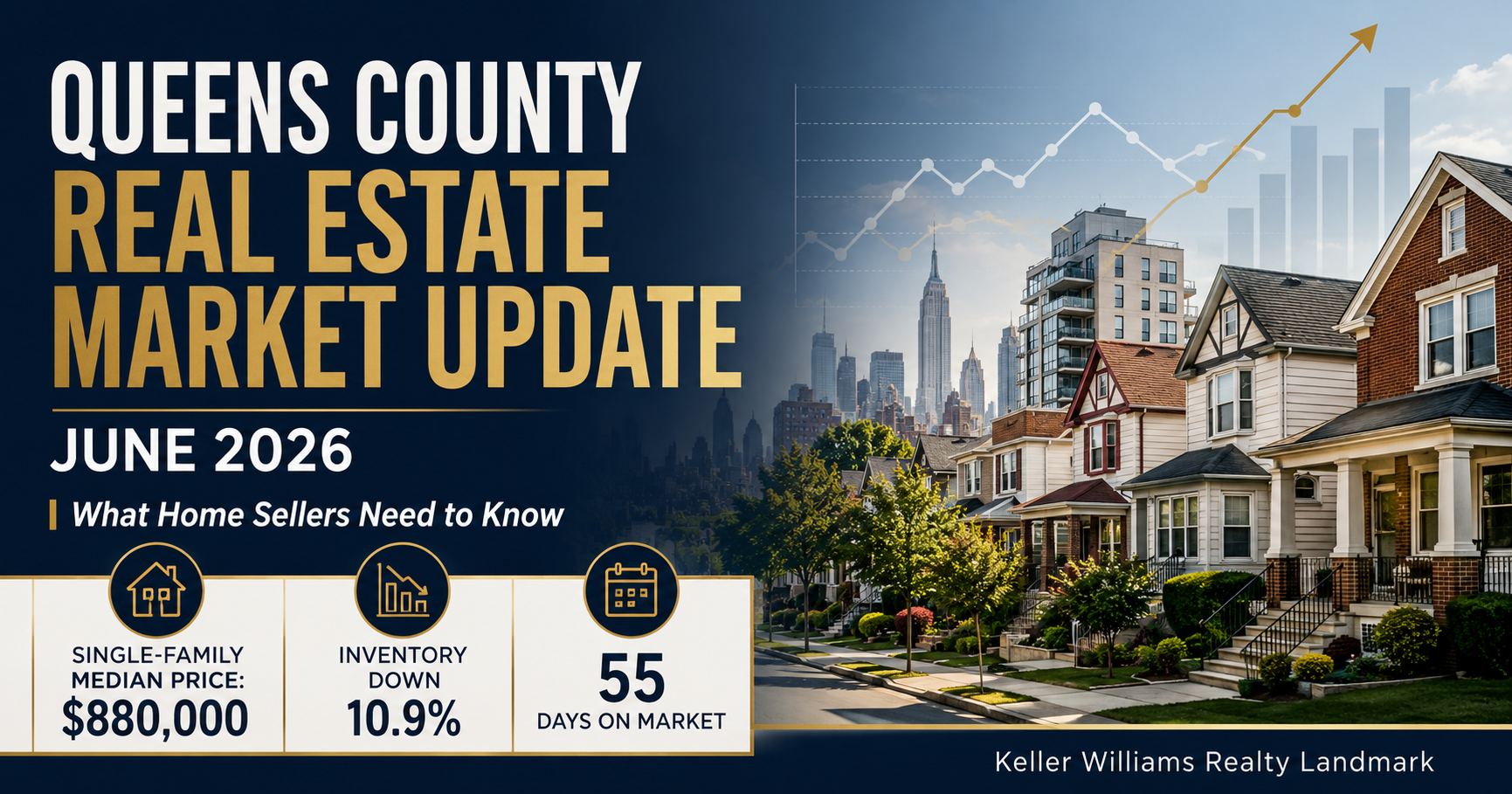
Queens County real estate market update June 2026 showing home prices, inventory & days on market
By KW Landmark July 16, 2026
See June 2026 Queens home prices, sales, inventory and days on market for houses, condos and co-ops—and what the data means for sellers.
By KW Landmark June 30, 2026
Selling a tenant-occupied multifamily property in Queens, NY can be a smart move, but it requires more planning than selling a vacant one-family home. When tenants are involved, the sale may be affected by lease terms, rental income, tenant cooperation, showing access, property records, financing, buyer expectations, and local housing rules. If you own a two-family, three-family, four-family, or other multifamily property in Queens and you are thinking about selling, the most important thing is to understand your options before you list. At Keller Williams Realty Landmark , we can connect you with a local real estate agent who can help you review your property, understand your potential value , and create a selling strategy that fits your situation. Can You Sell a Tenant-Occupied Multifamily Property in Queens? Yes, in many cases, you can sell a tenant-occupied multifamily property in Queens while tenants are still living there. A sale does not automatically mean the tenants have to move out. Existing leases, tenant rights, rent amounts, renewal terms, and property regulations may affect what happens before, during, and after the sale. Some buyers may actually prefer a tenant-occupied property because it already produces rental income. Other buyers may prefer a vacant or partially vacant property because they want to live in one unit, renovate, or choose their own tenants. The right strategy depends on the property, the tenants, the leases, the rental income, the condition of the building, and your personal goals as the seller. Why Selling a Tenant-Occupied Multifamily Property Is Different Selling a tenant-occupied multifamily property is not the same as selling a vacant single-family home. When tenants are involved, you are not only selling the physical property. You may also be selling the income stream, the lease obligations, the tenant relationships, and the future potential of the building. That means buyers may look closely at: Current rents Lease expiration dates Security deposits Tenant payment history Rent regulation status Property condition Legal use Open permits or violations Utility responsibilities Showing access Net operating income Future rental upside For a multifamily buyer, the numbers matter. For an owner-occupant buyer, flexibility may matter. For an investor, documentation matters. For a lender, legal use and income may matter. That is why preparation is so important. A tenant-occupied sale punishes sloppy preparation. The seller who gathers information early usually has more leverage than the seller who waits until a buyer, attorney, lender, inspector, or tenant creates pressure. Step 1: Review the Lease Terms Before Listing Before you put a tenant-occupied multifamily property on the market, review every lease and rental agreement connected to the property. You should know: Are the tenants on written leases or month-to-month agreements? When does each lease expire? What is the monthly rent for each unit? Are the tenants current on rent? How much security deposit is being held? Are utilities included in the rent? Are there parking, storage, laundry, or garage agreements? Are there any verbal agreements with tenants? Are pets allowed? Are any tenants related to the owner? Are any tenants paying below-market rent? Are any tenants rent-stabilized or otherwise regulated? Do not wait until a buyer asks for lease information to start looking for it. If you cannot clearly explain who lives in each unit, how much they pay, what their lease terms are, and what income the property produces, buyers may lose confidence. That can lead to lower offers, more negotiation, delayed contracts, or a deal falling apart. Step 2: Build a Clean Rent Roll A rent roll is one of the most important documents when selling a multifamily property. A rent roll is a summary of the rental income and tenant information for the building. It helps buyers understand the income the property currently produces and what they may be buying. A strong rent roll may include: Unit number Monthly rent Lease start date Lease expiration date Security deposit amount Payment status Utilities included or excluded Parking income Storage income Laundry income Other income Notes about vacancy or occupancy A buyer may use this information to evaluate the property’s value, financing, cash flow, and investment potential. If the rent roll is incomplete, messy, or unclear, buyers may assume the property carries more risk. For a tenant-occupied multifamily sale, your documentation can either support your asking price or weaken your negotiating position. Step 3: Understand Whether the Units Are Market-Rate, Rent-Stabilized, or Otherwise Regulated In New York City, this is a critical issue. Some units may be market-rate. Some may be rent-stabilized. Some may be subject to specific rules, registrations, or restrictions. Sellers should not guess. The regulation status of a unit can affect: Rent increases Lease renewals Buyer demand Investor interest Financing Future income potential Pricing Due diligence Closing confidence If a seller markets a property as having rental upside without understanding the actual legal or regulatory limits, that can create serious problems. This does not mean the property cannot be sold. It means the seller needs clarity before going to market. Before listing, gather whatever documentation you have and speak with the appropriate professionals. A real estate agent can help you understand what buyers are likely to ask for, but legal and rent-regulation questions should be reviewed with the proper attorney or housing professional. Step 4: Review the Property’s Legal Use and Public Records A multifamily property should be reviewed to confirm that the way it is being used matches the way it is legally recognized. For example, if the property is being used as a two-family home, is it legally a two-family home? If it is being marketed as a three-family property, do the records support that? If there is a finished basement, attic, extension, or additional unit, is that space legally usable the way it is currently being used? Before selling, owners should consider reviewing: Certificate of occupancy Property tax records Building class Open permits Open violations HPD records, if applicable Department of Buildings records Prior alteration filings Legal number of units Current layout Basement or attic use Extensions or conversions This is where many sellers get into trouble. If the property is marketed as something it legally is not, the issue may come up during attorney review, inspection, appraisal, underwriting, title review, or final buyer due diligence. That can lead to delays, renegotiation, buyer hesitation, or a canceled deal. A smart seller identifies these issues before going to market, not after accepting an offer. Step 5: Decide Whether to Sell Fully Occupied, Partially Vacant, or Vacant There is no one right answer for every property. The best strategy depends on your tenants, your leases, your income, your timeline, and the type of buyer most likely to pay the strongest price. Selling Fully Occupied Selling fully occupied may work well when the building has stable tenants, strong rental income, clean documentation, and cooperative access. This may appeal to investors who want income from day one. The possible benefits include: Immediate rental income for the buyer Less vacancy risk Stronger investor appeal if rents are healthy No need to wait for units to become vacant Easier story if the building is professionally documented The possible challenges include: Fewer owner-occupant buyers More complicated showings Tenant access issues Buyer concerns about below-market rents Buyer concerns about tenant cooperation Possible difficulty renovating or repositioning the property Selling Partially Vacant A partially vacant multifamily property may appeal to both investors and owner-occupants. For example, a two-family home with one vacant unit may attract a buyer who wants to live in one unit and rent the other. This can make the property more flexible. The possible benefits include: More buyer flexibility Easier access to at least one unit Opportunity to stage or showcase vacant space Potential appeal to owner-occupant buyers Existing income from occupied units The possible challenges include: Some lost rental income Timing concerns Possible uncertainty around remaining tenants Need to explain the income potential clearly Selling Vacant A vacant multifamily property may appeal to buyers who want full control, major renovations, or the ability to select their own tenants. The possible benefits include: Easier showings Easier inspections More renovation flexibility Potential appeal to owner-occupants Potential appeal to buyers who want market rent opportunities The possible challenges include: Loss of rental income Holding costs while vacant Potential legal issues if vacancy is not handled properly Longer preparation timeline Need for careful planning Very important: landlords should never use pressure, harassment, illegal lockouts, improper threats, or informal tactics to force vacancy. If vacancy is part of the strategy, speak with an attorney and follow the proper process. Step 6: Create a Tenant Communication Plan Tenant communication can make or break the selling process. A strong tenant communication plan can help reduce confusion, improve access, and make the transaction smoother for everyone involved. Before showings begin, the owner should think through: When tenants will be informed How tenants will be informed What tenants will be told How showing access will be requested How much notice will be provided Whether specific showing windows will be used Who will coordinate access How questions from tenants will be handled What should not be promised without legal advice The goal is not to surprise tenants. The goal is to create a respectful process that protects the sale while minimizing unnecessary friction. If tenants feel blindsided, they may become less cooperative. If they understand the process and are treated professionally, access may be easier to manage. Every situation is different, so sellers should speak with their attorney and agent before communicating anything that may affect tenant rights, lease terms, occupancy, or future expectations. Step 7: Plan for Showings, Photos, Inspections, and Appraisals Access is one of the biggest challenges in a tenant-occupied sale. A buyer may want to see every unit. An inspector may need access to mechanical systems, basements, roofs, utility areas, and individual apartments. An appraiser may need to verify layout, condition, and rental details. Before listing, you should discuss how access will work for: Professional photography Video tours Floor plans Buyer showings Open houses Private appointments Second showings Inspections Appraisals Contractor visits Final walkthroughs If tenant access will be limited, your marketing needs to be stronger from the beginning. That may include: Professional exterior photos Photos of accessible units Floor plans Video walkthroughs where allowed Rent roll summary Expense summary Property records Clear showing instructions Advance scheduling Buyer pre-screening The less access you have, the more prepared your information package needs to be. Step 8: Price the Property Based on Both Comparable Sales and Income A multifamily property is not just valued as a house. It is valued as a property, an income stream, and a risk profile. Pricing should consider both comparable sales and the income the property produces. A local agent may review: Recently sold multifamily properties Active competing listings Pending sales Property condition Legal number of units Lot size Building size Parking Rental income Expenses Vacancy Lease terms Tenant payment history Regulation status Buyer demand Financing environment Investor buyers may focus on rental income, expenses, cap rate, and upside. Owner-occupant buyers may focus on monthly payment, livability, and whether they can occupy a unit. Below-market rents can be viewed in different ways. If the units are truly market-rate and there may be future upside, that can attract some buyers. If rents are restricted, difficult to change, or unclear, buyers may be more cautious. That is why pricing a multifamily property requires more than looking at one nearby sale. Step 9: Prepare the Documents Buyers Will Ask For The stronger your documentation, the more confident buyers can feel. Before listing, consider gathering: Current leases Rent roll Security deposit records Rental payment history Utility information Expense records Property tax information Insurance information Certificate of occupancy Public record details HPD registration, if applicable Rent registration documents, if applicable Violation records Permit records Service contracts Recent repair records Capital improvement records Floor plans, if available Tenant notices or agreements Laundry, parking, storage, or other income details A prepared seller looks serious. An unprepared seller creates doubt. If buyers feel like they have to chase basic information, they may question the price, the income, the condition, or the risk of the deal. Step 10: Understand the Different Types of Buyers Not all buyers will look at your property the same way. A strong selling strategy should consider who the most likely buyer is. Investor Buyers Investor buyers may care about: Rent roll Expenses Net operating income Cap rate Tenant stability Lease terms Future rent potential Repairs needed Financing Regulation status Long-term appreciation Owner-Occupant Buyers Owner-occupant buyers may care about: Which unit they can live in Whether a unit is vacant Rental income to offset mortgage payments Layout Parking School district Transportation Property condition Privacy Outdoor space Future flexibility 1031 Exchange Buyers 1031 exchange buyers may care about: Timing Closing certainty Income Documentation Property condition Tenant stability Whether the property fits their exchange requirements Renovation or Value-Add Buyers Renovation-focused buyers may care about: Vacancy Layout Lot size Zoning Expansion potential Condition Violations Permits Legal use Rent regulation issues After-repair value The same property may be worth different amounts to different buyers depending on their goals. A good agent helps position the property toward the buyer pool most likely to see the strongest value. Step 11: Know the Common Mistakes Landlords Make When Selling Selling a tenant-occupied multifamily property can go smoothly, but only if the seller avoids the most common mistakes. Here are some of the biggest ones: Mistake 1: Assuming Tenants Have to Leave Tenants do not automatically have to move just because the owner is selling. Lease terms and tenant protections matter. Mistake 2: Listing Without Reviewing Leases If you do not know the lease terms, buyers will find out during due diligence. That is not the time to discover problems. Mistake 3: Not Preparing a Rent Roll A multifamily buyer needs to understand the income. A clean rent roll helps support the property’s value. Mistake 4: Overpricing Based Only on One Nearby Sale Comparable sales matter, but income, legal use, condition, tenant status, and documentation also matter. Mistake 5: Ignoring Rent Regulation Questions If a unit may be rent-stabilized or subject to other rules, do not guess. Get clarity. Mistake 6: Marketing Illegal Space Incorrectly If a property is marketed as having more legal units or usable space than it actually has, the sale may run into serious problems. Mistake 7: Waiting Too Long to Check Violations or Permits Open violations, permits, or property-record issues can delay or disrupt a sale. Mistake 8: Surprising Tenants With Showings Poor communication can create resistance. A clear plan can make access easier. Mistake 9: Hiring an Agent Who Does Not Understand Multifamily Sales Tenant-occupied multifamily sales require a different strategy than standard residential sales. Mistake 10: Failing to Calculate Net Proceeds Sale price is not the same as what you walk away with. Sellers should estimate closing costs, mortgage payoff, taxes, repairs, concessions, and other possible expenses before making decisions. Should You Sell Now or Wait? The answer depends on your situation. You may want to consider selling now if: You are tired of managing tenants You want to cash out equity The property needs repairs you do not want to handle Rental income no longer justifies the stress You inherited the property and do not want to be a landlord You want to exchange into another investment You want to simplify your finances You are relocating or retiring You are concerned about future expenses You want to take advantage of current buyer demand You may want to wait if: The leases create timing issues You need to organize documents first You want to improve the property before selling You need legal guidance before making a decision You want to wait for a vacancy You are not clear on your net proceeds You need a stronger plan for your next move The worst move is not selling or waiting. The worst move is making a decision without understanding your numbers, your risks, and your options. How Keller Williams Realty Landmark Can Help If you own a tenant-occupied multifamily property in Queens, Keller Williams Realty Landmark can connect you with a local agent who can help you understand the selling process and build a strategy around your specific property. An agent can help you review: Your likely property value Recent comparable sales Current buyer demand Tenant status Lease information Rent roll Property condition Legal use concerns Buyer pool Showing strategy Marketing plan Pricing strategy Estimated net proceeds Timeline and next steps Selling a tenant-occupied multifamily property does not have to be chaotic. With the right preparation, the right information, and the right local guidance, you can make a more confident decision. Get a Tenant-Occupied Multifamily Property Sale Review If you are wondering whether now is the right time to sell your tenant-occupied multifamily property in Queens, start with a conversation. At Keller Williams Realty Landmark , we can connect you with an agent who can help you review your options, understand your property’s value, and create a plan that fits your goals. Whether your property is fully occupied, partially vacant, inherited, rent-producing, underperforming, or difficult to manage, you deserve to know what your options are before you make your next move. Thinking about selling a tenant-occupied multifamily property in Queens, NY? Contact Keller Williams Realty Landmark today, and we will connect you with an agent who can help . Frequently Asked Questions About Selling a Tenant-Occupied Multifamily Property in Queen s Can I sell my Queens multifamily property if tenants still live there? Yes. Many multifamily properties are sold with tenants in place. The best strategy depends on the leases, rent amounts, tenant cooperation, property condition, buyer demand, and the seller’s goals. Do tenants have to move out when I sell the building? Not automatically. Existing leases, tenant protections, and applicable laws may affect whether tenants remain after the sale. Sellers should speak with an attorney before making promises about vacancy or occupancy. Is a tenant-occupied multifamily property worth less? Not always. Stable tenants and strong rental income may attract investors. However, below-market rents, difficult access, lease concerns, poor documentation, or regulatory questions may affect buyer demand and pricing. Should I wait until a unit is vacant before selling? It depends. A vacant unit may attract owner-occupant buyers or buyers who want flexibility. Keeping a paying tenant may appeal to investors. The best strategy depends on your leases, rental income, property type, and goals. What documents do I need before selling a tenant-occupied multifamily property? You should gather leases, rent roll, security deposit records, rental payment history, utility information, expenses, property records, certificate of occupancy, permits, violations, and any rent-regulation documentation that may apply. Can I show the property while tenants are living there? In many cases, showings can be arranged, but access should be handled properly and respectfully. Sellers should review lease terms, local rules, and tenant communication with their agent and attorney. What if my tenant refuses access for showings? Access issues should be handled carefully. Speak with your attorney and agent before taking action. A clear communication plan may help reduce conflict and improve cooperation. How do buyers value a multifamily property? Buyers may look at comparable sales, rental income, expenses, property condition, legal use, lease terms, financing options, and future upside. Investor buyers and owner-occupant buyers may value the same property differently. Can Keller Williams Realty Landmark help me sell my tenant-occupied multifamily property? Yes. Keller Williams Realty Landmark can connect you with a local real estate agent who can help you review your options, understand your property’s value, and create a strategy around tenants, access, pricing, marketing, and buyer demand. Disclaimer This article is for general informational purposes only and is not legal, tax, financial, housing-regulation, or investment advice. Selling a tenant-occupied property in New York City may involve lease terms, tenant protections, rent regulation, property records, financing, tax consequences, and legal obligations. Property owners should consult the appropriate attorney, tax advisor, housing professional, and real estate professional before making decisions.
By KW Landmark March 18, 2026
How much does it cost to sell a home in Queens? Learn seller closing costs, taxes, and how to estimate your net with expert guidance from Keller Williams Realty Landmark.
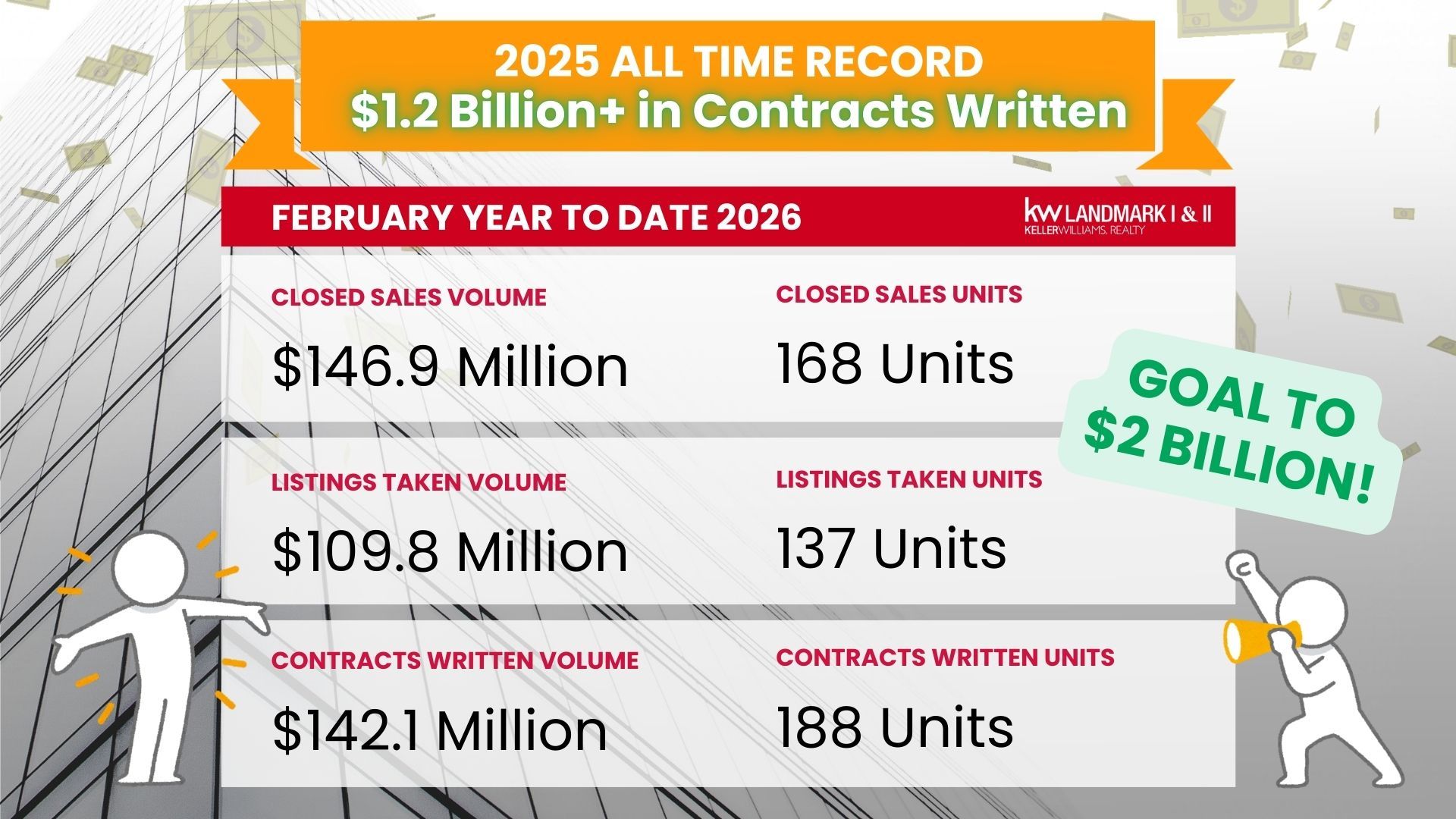
2026 year-to-date real estate production with $146.9M closed sales and 188 contracts written
By Louis Cardenas March 11, 2026
Keller Williams Realty Landmark reports strong 2026 production across Queens, Brooklyn, and Long Island with $146.9M in closed sales and growing momentum.
Keller Williams Realty Landmark agents at Family Reunion showcasing the culture and collaboration of
By KW Landmark March 3, 2026
Discover what makes Keller Williams Realty Landmark different. Learn how our culture of collaboration, growth, and innovation helps agents succeed.
By KW Landmark February 19, 2026
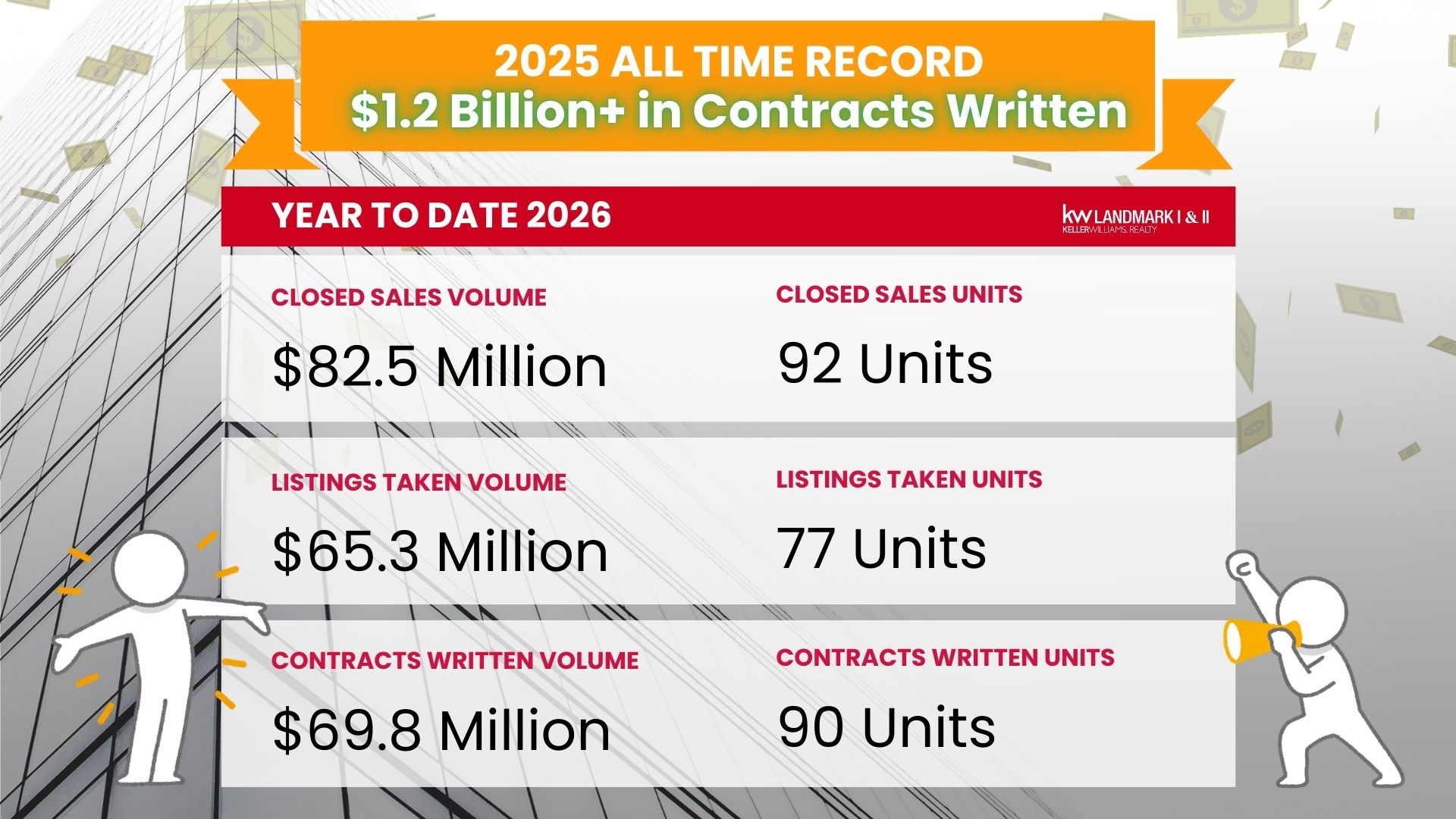
If you’re a homeowner in Queens, Brooklyn, Nassau County, or surrounding NYC areas , you’re probably asking one of two questions: Is now the right time to sell? If I list, will my home actually move? The real answer isn’t emotional. It’s strategic. And 2026 is already giving us clear signals. The Market Is Moving — But Strategy Matters More Than Ever So far this year, our office has: Secured $65.3M in listings taken Written $69.8M in contracts Closed $82.5M in sales Sold 92 units year-to-date That tells us something important: ✔ Homes are being listed ✔ Buyers are writing contracts ✔ Deals are closing But here’s the truth most homeowners don’t hear: The homes that are winning are positioned correctly from day one. Overpricing, weak presentation, or poor negotiation strategy will cost you time and money in today’s environment. What Sellers in Queens Need to Know In neighborhoods across Queens — from Bayside and Flushing to Forest Hills and Whitestone — buyers are educated. They are comparing closed sales. They are analyzing days on market. They know when something is overpriced. If your pricing is even 5% off in today’s market, you lose momentum. And once momentum is gone, you don’t get it back easily. What’s Happening in Brooklyn Right Now Brooklyn sellers are facing a more competitive landscape, especially in: Brownstone markets Condo resales Co-op inventory Buyers are cautious. They negotiate. They expect value. That doesn’t mean homes aren’t selling. It means they’re selling when: The pricing strategy is sharp The marketing is aggressive The negotiation is strong Nassau County & Long Island Sellers: Timing Is Strategic On Long Island, inventory levels and buyer demand are hyper-local. In certain Nassau County pockets, well-priced homes are still moving quickly. But the sellers who assume “it’ll sell because inventory is low” are learning hard lessons. Presentation and negotiation now matter more than ever. Why Office-Level Production Matters to You as a Seller When a Market Center is consistently taking listings, writing contracts, and closing transactions at scale, that translates into: Real-time pricing data Active buyer pipelines Negotiation leverage Deep local market awareness You’re not hiring an agent guessing what the market is doing. You’re hiring someone operating inside it every single week. That difference impacts your final sale price. 3 Powerful Next Steps for Homeowners If you’re even thinking about selling in 2026, do not guess. 🔴 #1 – Get a Strategic Home Value Review Request a detailed, data-backed home value analysis specific to your neighborhood. This is not a Zestimate. This is market positioning. 👉 Request Your Strategic Home Value Review Today 🔴 #2 – Book a Seller Strategy Call Before you list, talk through: Timing Pricing strategy Expected net proceeds Market positioning Even if you’re 3–6 months out, clarity now prevents mistakes later. 👉 We Will Match You With The Perfect Agent For A Strategy Call Final Thought: Don’t Let the Market Decide for You The biggest mistake homeowners are making right now isn’t selling. It’s guessing. The right decision depends on: Your equity position Your timeline Your financial goals Local demand in your exact neighborhood If you’re in Queens, Brooklyn, Nassau County, or surrounding NYC areas, now is the time to get clarity — not headlines. Because in 2026, strategy wins. And sellers who prepare properly are still achieving strong results.  Contact us today!
By KW Landmark February 19, 2026
After a historic 2025—highlighted by $1.2 Billion+ in Contracts Written—we didn’t slow down. We accelerated. As we move through 2026, KW Landmark I & II have already demonstrated that last year wasn’t luck. It was structure. It was leadership. It was culture. And most importantly—it was repeatable. 2026 Year-to-Date Performance Here’s where we stand so far this year: $82.5 Million in Closed Sales Volume 92 Closed Units $65.3 Million in Listings Taken 77 Listings Secured $69.8 Million in Contracts Written 90 Units Under Contract Those numbers represent momentum. And momentum in real estate matters. When listings are taken consistently and contracts are being written at scale, it signals something powerful: the office isn’t reacting to the market — it’s operating confidently within it. What These Numbers Really Mean Volume is not just a vanity metric. It tells a deeper story about systems, skill, and client trust. 1. Listings Are Being Won $65.3M in listings taken year-to-date means our agents are earning the trust of homeowners. In today’s environment, listings are not handed out—they are competed for. Securing them requires pricing precision, presentation strategy, and market knowledge. 2. Contracts Are Converting With $69.8M in contracts written and 90 units under agreement, our agents are not just listing homes—they’re moving them. That reflects negotiation strength and buyer demand alignment. 3. Closings Are Being Delivered $82.5M closed and 92 units sold means transactions are making it to the finish line. In complex NYC and Long Island markets, that’s not automatic. It requires proactive communication, problem-solving, and experience. Why This Matters for Agents At KW Landmark, performance like this confirms what we already know: Our agents are trained for skill, not shortcuts. We prioritize our clients and long-term pipeline building. We operate from systems that create consistency. Collaboration drives production. A strong Market Center creates leverage. It creates referral flow. It creates accountability. It creates opportunity. Agents who plug into an environment producing at this level are not guessing—they are building. And that is exactly what we are committed to at Keller Williams Realty Landmark: becoming the destination for agents who want to grow intelligently and sustainably. What This Translates Into for Clients For home buyers and sellers across Queens, Brooklyn, Long Island, and surrounding NYC areas, these numbers mean something very practical: If You’re Selling: You’re working with agents who know how to win listings and price strategically. Your property is represented by professionals active in the current market—not relying on last year’s playbook. You benefit from collective experience across dozens of active transactions. If You’re Buying: You’re guided by agents who are negotiating contracts weekly. You gain access to professionals deeply connected within the local market. You work with a team that understands inventory shifts and buyer competition in real time. Momentum at the office level creates confidence at the client level. The Bigger Picture 2026 isn’t about chasing last year’s numbers. It’s about proving that KW Landmark’s success is systematic. Predictable. Sustainable. When a Market Center can follow up a billion-dollar year with strong, early momentum, it sends a clear message: This is not a peak. This is a pattern. If you’re an agent looking for a high-performance environment—or a buyer or seller seeking proven guidance—KW Landmark continues to lead with clarity, consistency, and results. Connect with our Team Leader today so you can experience what we are all about Justin Puderbach Team Leader 718-475-2756 jpuderbach@kw.com
By KW Landmark February 11, 2026
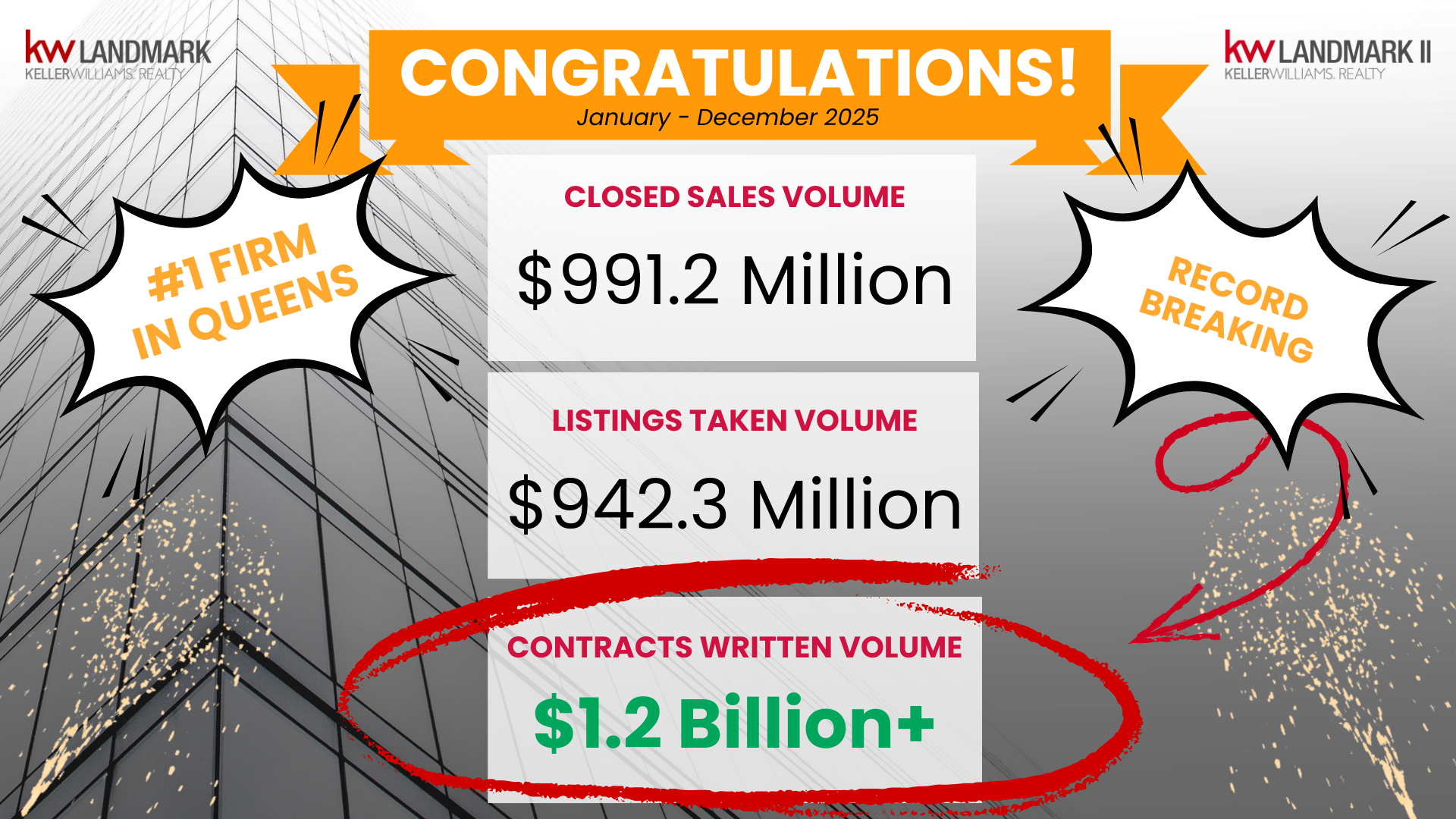
KW Landmark achieved record-breaking success in 2025 with $1.2B+ in contracts. Discover what this means for agents and home buyers & sellers across NYC.
By KW Landmark February 6, 2026
Keller Williams Realty Landmark offers top training, collaborative culture, leadership support, and technology to help agents thrive in today’s market.